
Ballet Classes for Kids
(when you’re new to this, too)
You’ve decided to look into Ballet classes for kids. Exciting! Then you open a studio website and suddenly you have questions you didn’t know to ask. Does your child need a particular pair of shoes? What does R.A.D. mean? And a year from now, how will you know they’re making progress?
Maybe your child has been dancing around the house for months. Or maybe you’re introducing them to something neither of you has tried. Either way, you don’t need a background in Ballet to help them get started. Here’s a little context before you choose a class and buy that first pair of dance shoes.
A brief history of Ballet
Ballet began in the Italian Renaissance courts during the 1400s, where dance was part of elaborate celebrations. It later developed in France, with royal support helping shape it into a formal art. That French influence is still heard in classrooms today through dance terminology such as a plié (meaning bent) and relevé (meaning raised).
Over the centuries, Ballet moved from court entertainment to professional stages and eventually into dance schools around the world. Its teaching and choreography have continued to evolve. The steps your child learns belong to a long tradition, but their own introduction starts simply with movement, music, and a teacher’s supportive guidance.
Ballet classes for kids can help them discover…
…quite a bit, actually. As your child learns the basics of Ballet, they develop balance, coordination, and a better understanding of how their body moves. Repeating an exercise or a sequence helps them remember the steps and pay attention to details, like keeping their arm placement while moving their feet. Dancing to music adds another challenge, keeping time and control while bringing expression and emotion to the movement.
Being part of a class takes practice, too. Children learn to leave room for each other, wait their turn, and work together. Getting something wrong in front of others can feel uncomfortable, so patience from both your child and their teacher matters.
For parents, some of the most rewarding progress may be a simple “Look what I learned!” after class. Your child has worked at something, and they want you to see it.
What success looks like after year one
At the end of the first year, it’s tempting to look for something obvious. A higher jump. A polished performance. A move your child couldn’t do before.
Those achievements can be exciting, but early progress often shows up in quieter ways. Your child may begin following instructions without waiting to copy a classmate. They may remember a sequence more easily or recognize the movement their teacher names without needing another demonstration.
There is no single first-year checklist that fits every dancer. Age, previous experience, attendance, and the class itself all influence what progress looks like. Learning a new movement and becoming comfortable participating can both take time.
Ask the teacher what your child has been working on and where they have improved. That conversation gives you a clearer picture than comparing them with another student.
And ask your child about the experience. What do they enjoy? What feels difficult? Their answers can help you understand how the year has felt from inside the classroom.
What to wear
Before adding anything to your shopping cart, check your dance studio’s dress code. Ballet clothing helps teachers see alignment and movement, while properly fitted Ballet shoes allow children to move without loose footwear getting in the way.
For Ballet students ages two to seven, Caulfield lists a bodysuit, tights or white socks, and Ballet slippers. Skirts and tutus are permitted but aren’t required. Hair should be secured in a bun where possible, or pulled away from the face.
Requirements change by age and program, and R.A.D. students have specific attire guidelines. Caulfield’s What to Wear page is the place to check before buying. Unsure which requirements apply to your child? Ask the studio first and save yourself a second shopping trip.
R.A.D. explained
R.A.D. stands for the Royal Academy of Dance, an international organization involved in Ballet education and exams. Its syllabus provides a structured progression of exercises and dances, giving teachers a framework for developing technique, musicality, and performance skills.
Think of a syllabus as a learning pathway. Children build on earlier work as they develop the skills needed for later levels. An examination is a separate opportunity to demonstrate prepared work through a formal assessment. Students who pass an R.A.D. Ballet exam receive an official certificate showing the grade or level they’ve achieved. Depending on the exam, they may also receive a medal.
At Caulfield, R.A.D. examinations are optional and offered by teacher recommendation. Placement depends on assessment and readiness. The school also distinguishes syllabus classes from Ballet Performance classes, which students wishing to perform should discuss with the Directors.
Explore Caulfield’s R.A.D. programs and speak with the school about which option suits your child’s experience and interests.
Discover Ballet at Caulfield
You don’t have to arrive knowing the terminology or holding a plan for the next five years. Your child’s age, experience, and curiosity are enough to begin a conversation.
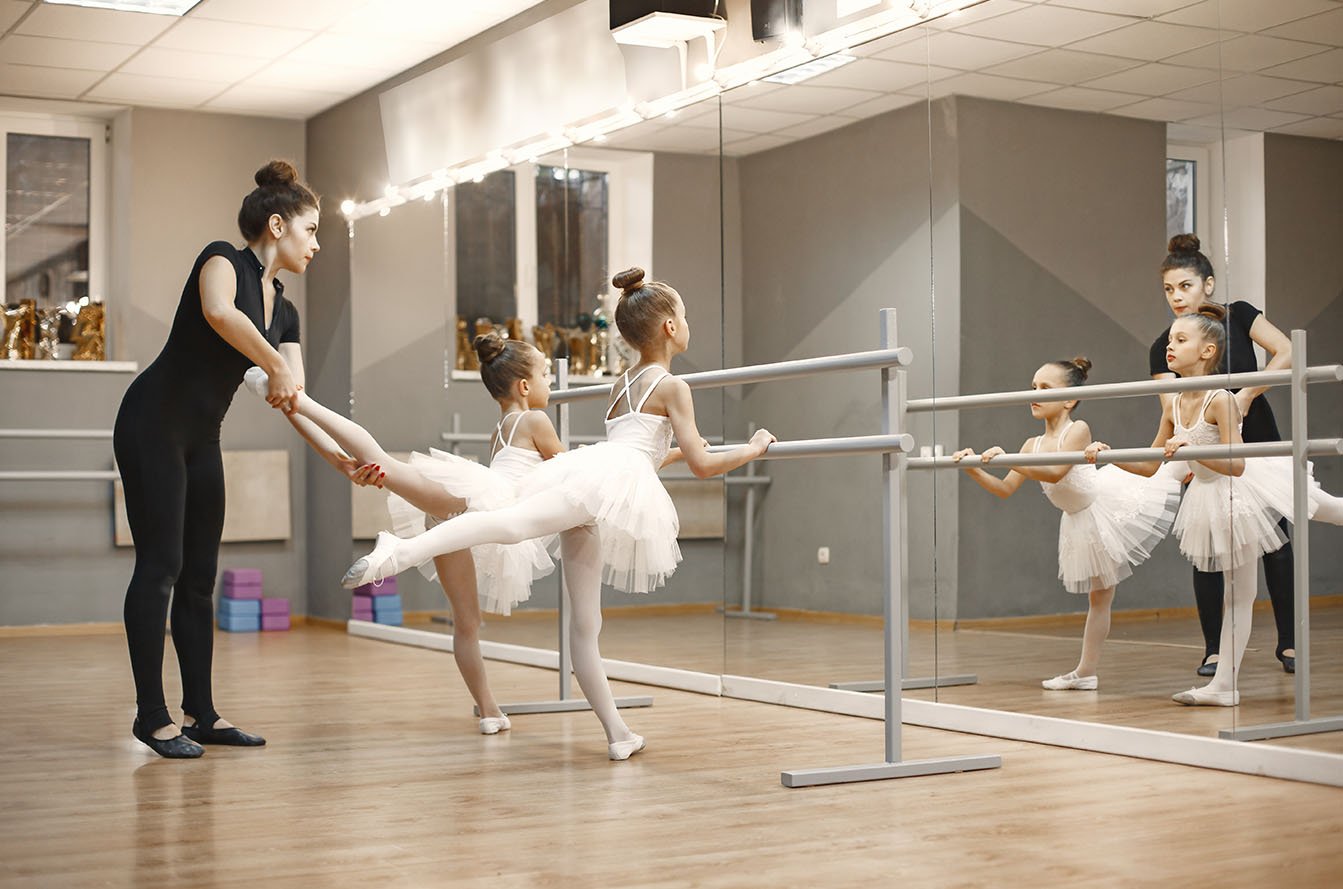
At Caulfield School of Dance, our Ballet programs combine technical training with a supportive approach to learning. We welcome your questions and can help you understand the options for your child.
Still have questions about getting your child started? Contact us at admin@caulfield.bc.ca to discuss placement, clothing questions, and how to get started. You’re allowed to be new to this, too.